




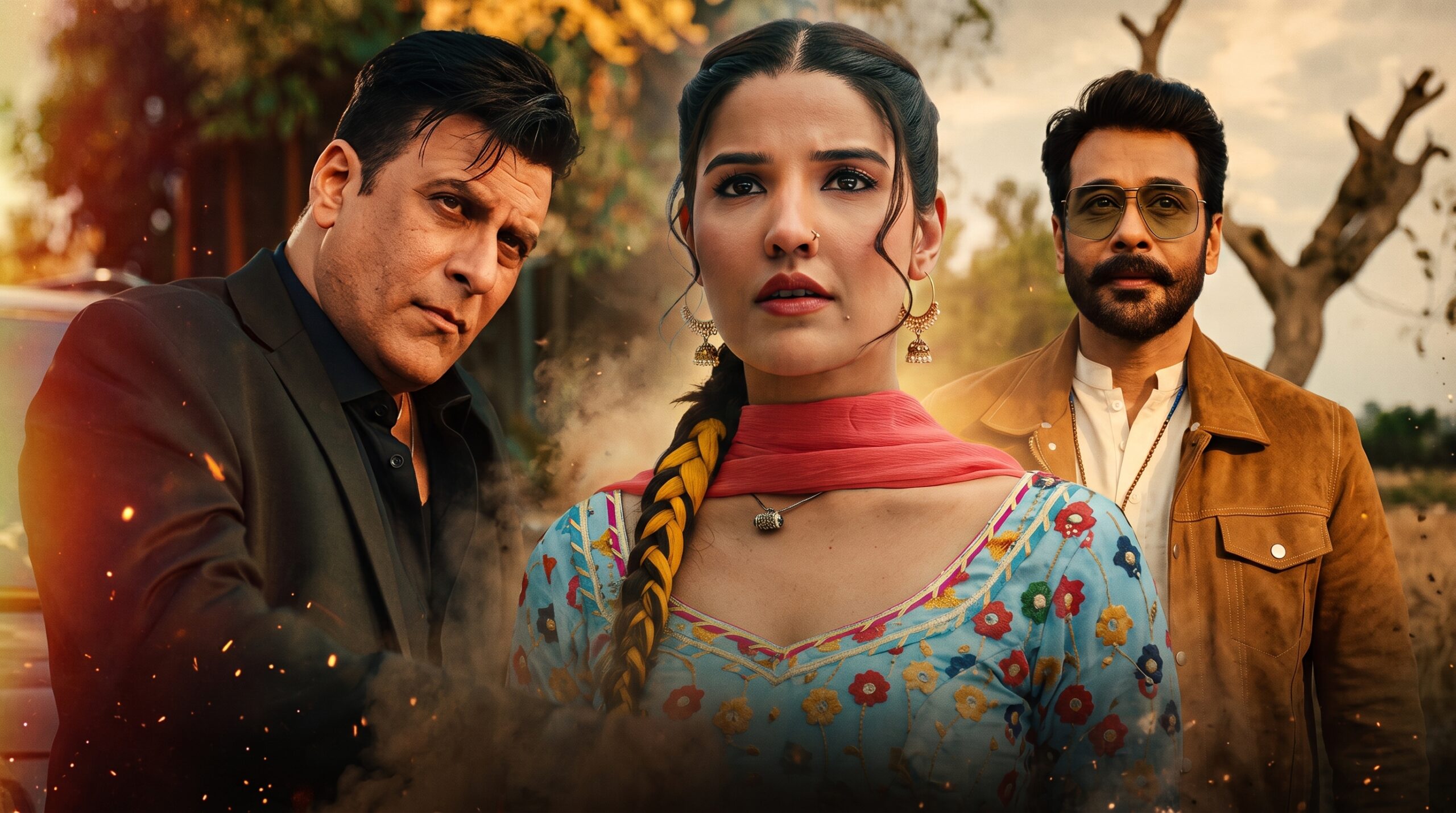
The release of the Mango Jutt trailer has opened a larger conversation around the upcoming Punjabi film, with criticism of its presentation now followed by questions over the film’s creative credits and Abu Aleeha’s involvement in the project.

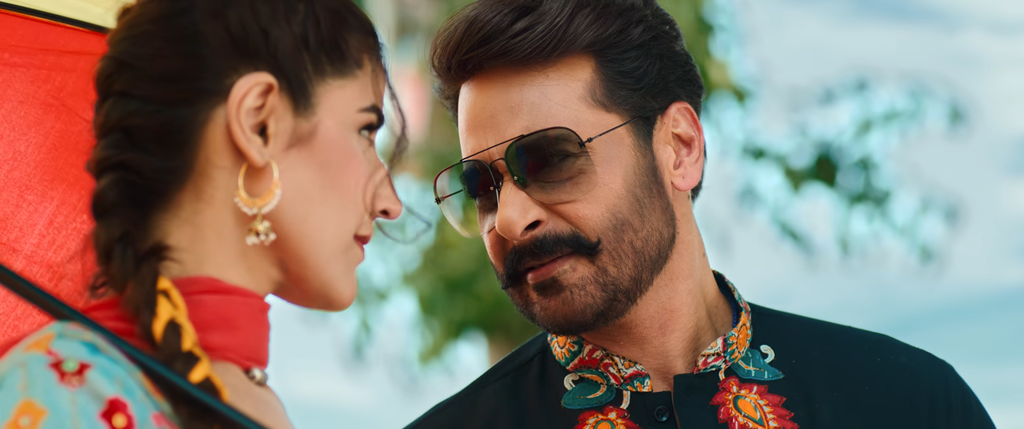
Starring Faysal Quraishi, Hareem Farooq, Shamoon Abbasi, Ayesha Jehzaib, Qaiser Piya, Honey Albela and Maira Bangash, Mango Jutt appears to be positioned as a commercial action-comedy. However, the trailer has drawn criticism from several publications, content creators and viewers, with reactions focusing on its editing, dialogue dubbing, continuity between shots and the execution of its action and comedy.
The trailer’s reception also prompted content creators, including Dr. Ejaz Waris, as well as viewers and fans, to point out the absence of Abu Aleeha’s name from the visible writing and directing credits of the film.
Lollywood Pictures reached out to Abu Aleeha for clarification.
In a detailed statement, the filmmaker outlined his involvement with the project, his creative process, the casting and production, and the circumstances that eventually led to his departure.
FROM SCRIPT TO PRODUCTION
According to Abu Aleeha, his involvement with Mango Jutt began long before production.
“The Mango Jutt was written and directed entirely by me. It was shot in just 31 days, and the camera was wrapped two and a half years ago. For this film, my team and I worked day and night in Lahore and Nankana Sahib.”
He says the screenplay itself went through an extensive development process before cameras rolled.
“Before the shoot even began, I spent six months continuously rewriting and refining the script.”
According to his account, once he was satisfied with the screenplay, his focus shifted toward assembling the project.
“Once I was satisfied with the script, I started working on securing a producer and the cast.”
He says the casting process subsequently led him to Hareem Farooq.
“After securing the male lead, I approached Hareem Farooq for the female lead. She read the script, showed interest in the project, and subsequently expressed her willingness to produce the film with her investors.”
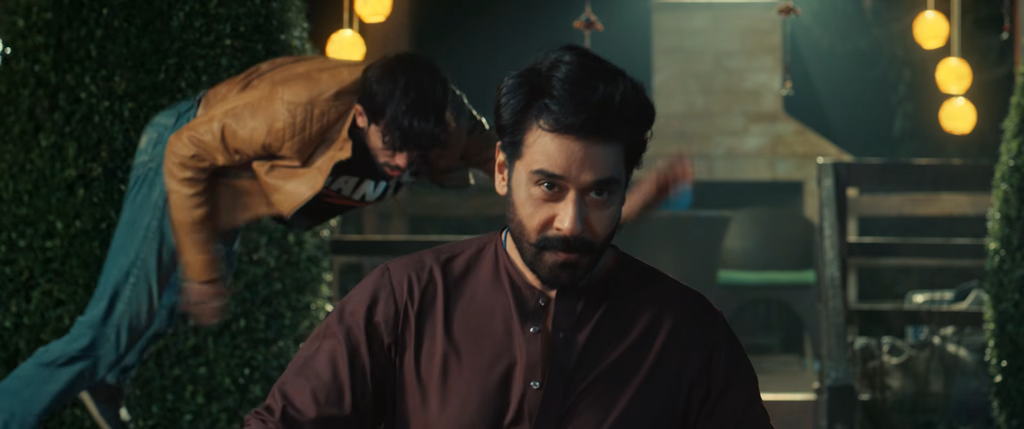
ABU ALEEHA’S CONCERNS WITH THE TRAILER
The filmmaker’s response comes after the trailer itself became the subject of criticism.
While the trailer’s reception has been underwhelming and mostly rejected by the Publications, Entertainment Forums and the audience, Abu Aleeha argues that what audiences have seen does not represent the film he originally made.
“The trailer you watched, in my view, is far below what the story and characters I created on paper and brought to the screen deserved. What you are seeing in that trailer does not reflect the film I conceived, wrote, directed, and shot.”
His comments suggest that his concerns are not limited to the trailer’s marketing strategy, but extend to the film’s post-production.
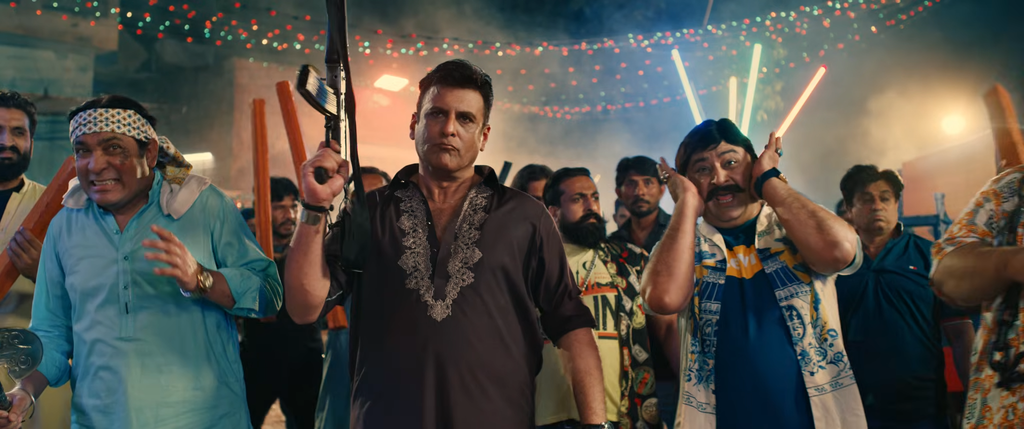
DISAGREEMENTS OVER THE EDIT
Abu Aleeha says his involvement with the project eventually came to an end over disagreements surrounding the edit.
“I stepped away from the project when I refused to accept a C-grade edit lock done by an Indian editor from Mumbai.”
The characterization of the edit is Abu Aleeha’s own. He says his decision was also connected to disagreements over proposed additional shooting.
“I also refused to compromise the film by allowing additional shooting requested for the purpose of obtaining Rs. 3 crores from the Punjab Government.”
Abu Aleeha says he has formally documented his position.
“I have stated the complete details in my application submitted to the Pakistan Film Producers Association.”
‘THE MANGO JUTT IS, ULTIMATELY, A TEAM EFFORT’
Despite the disagreements he describes, Abu Aleeha does not position the film as the work of one individual alone.
“The Mango Jutt is, ultimately, a team effort.”
At the same time, he maintains that the film’s underlying creative work came from the script and direction he says he developed and executed during production.
“However, its story, dialogues, characters, direction, and the way it was shot are a prime example of how effectively and beautifully a story can be told on a minimum budget when the filmmaker knows exactly what he wants to put on screen.”
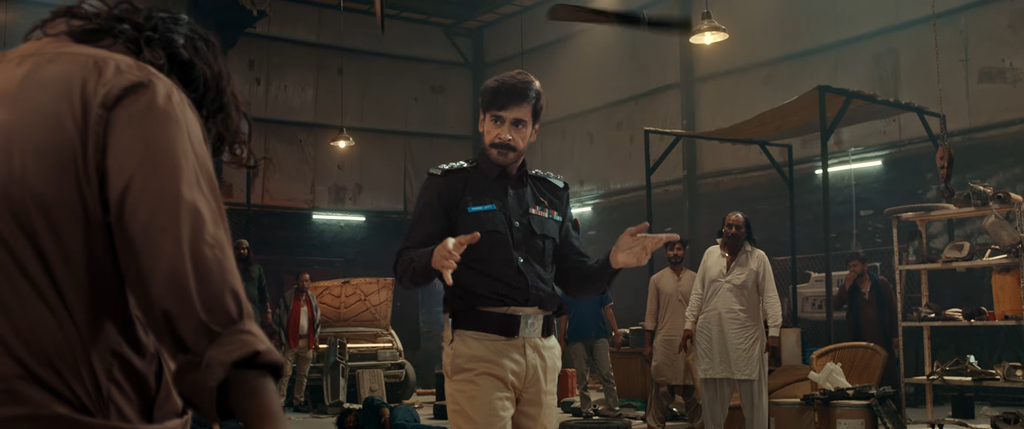
That distinction is central to his explanation: while he acknowledges the collaborative nature of filmmaking, he believes the final post-production does not adequately represent what was created during the shoot.
ABU ALEEHA STILL BELIEVES IN THE FILM
Despite his criticism of the post-production, Abu Aleeha remains optimistic about what audiences may find in the completed film.
“No matter how badly the film may have been affected by poor post-production, I believe it still has enough strength in its story, performances, and visual storytelling to make its impact felt when audiences watch it in a theatre.”
His statement therefore offers a markedly different perspective on the trailer from the one audiences have seen so far: that the material captured during production has considerably more to offer than the current promotional cut suggests.
For Mango Jutt, the conversation has consequently moved beyond the trailer itself. Questions now surround the film’s creative credits, the editing process and how much of the filmmaker’s original work remains in the final version.
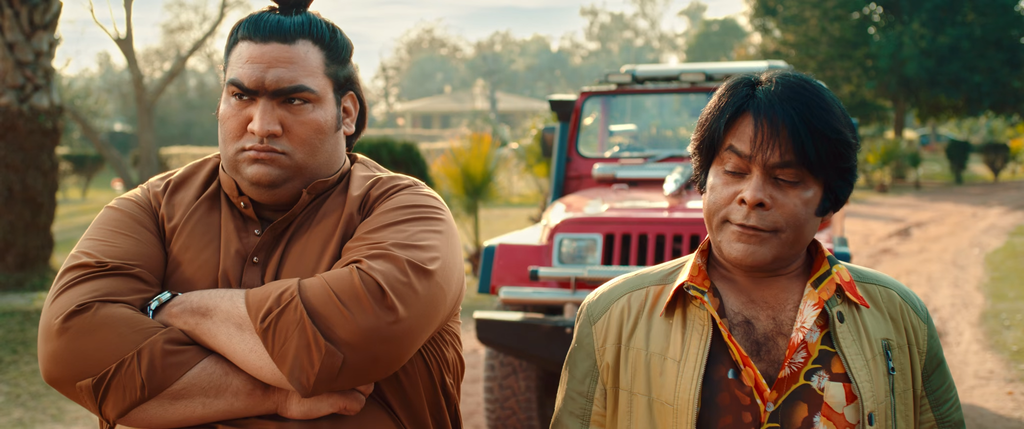
Abu Aleeha’s comments represent his account of the project and the circumstances surrounding his departure. Lollywood Pictures has not independently verified his claims regarding the editing process, additional shooting or the alleged Punjab Government funding request. The response of the film’s producers, credited writers and directors would provide further context to the dispute.
For now, Mango Jutt arrives at its theatrical stage with two stories surrounding it: the film audiences will eventually see on screen, and the very different version of its production described by the filmmaker who says he originally wrote, directed and shot it.