




At a time when Pakistani cinema mostly revolves around familiar commercial formulas, Mera Lyari attempts to explore a comparatively different space by focusing on Lyari’s football culture, social struggles and women empowerment. Written and directed by Abu Aleeha, the film carries a grounded tone throughout and tries to tell its story with realism rather than cinematic glamour. While the execution remains inconsistent in places, the film still manages to offer moments that connect emotionally.

STORY OVERVIEW
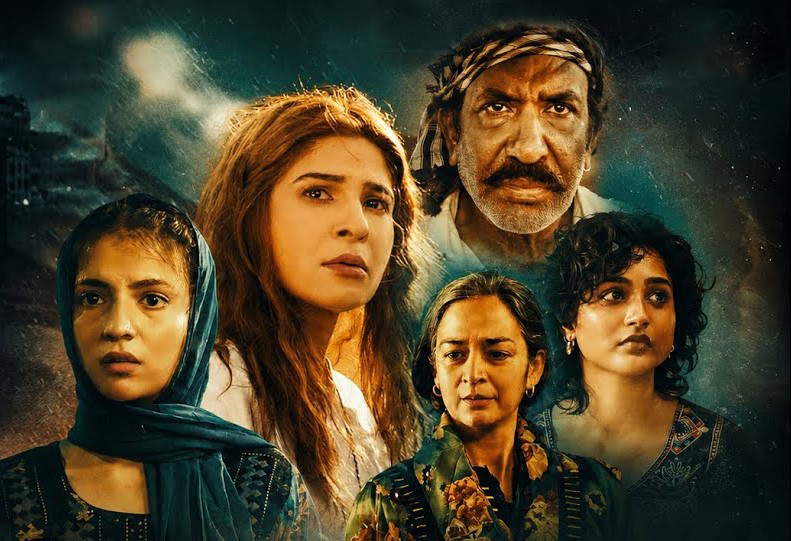
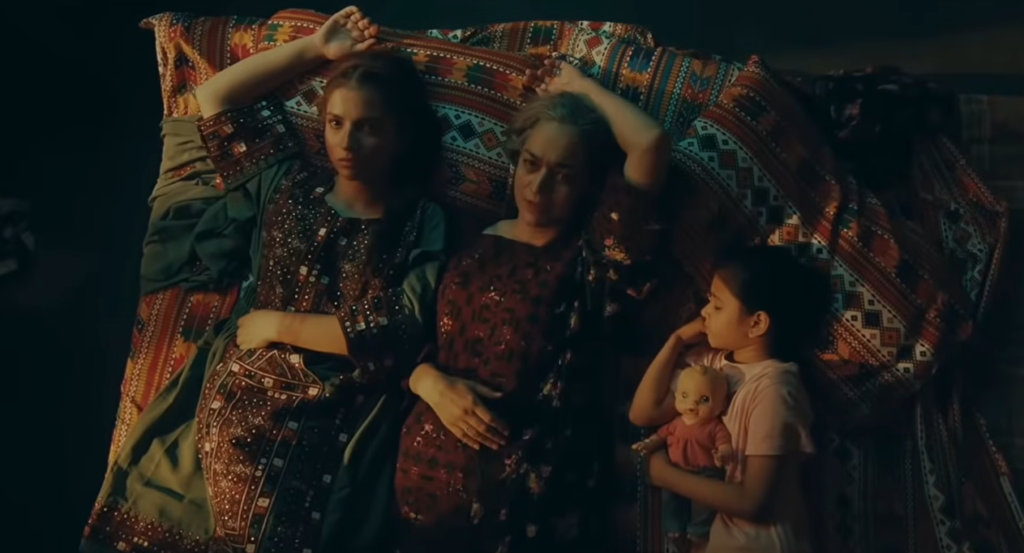
Mera Lyari follows the journey of Afsana Baloch (Dananeer Mobeen), a young girl who dreams of building her future in football and making a name for herself through the sport.
Despite her determination and courage, her path is constantly blocked by her conservative father Arif Baloch (Nayyer Ejaz), who is unhappy with his family circumstances, particularly because his wife Shakira (Samiya Mumtaz) has not given him a son. Shakira lives under emotional pressure and is unable to stand up against him in any situation.

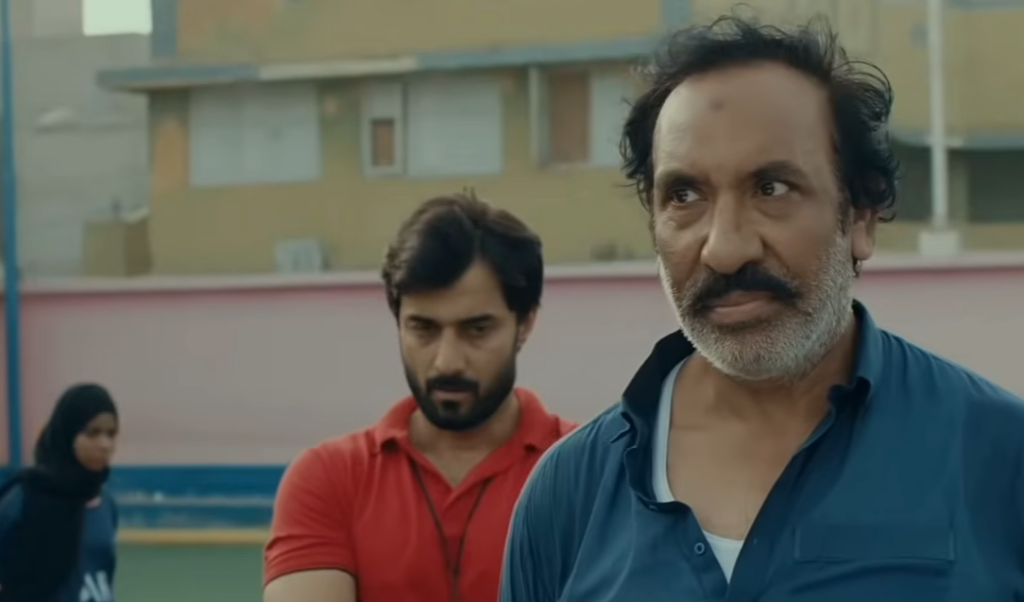
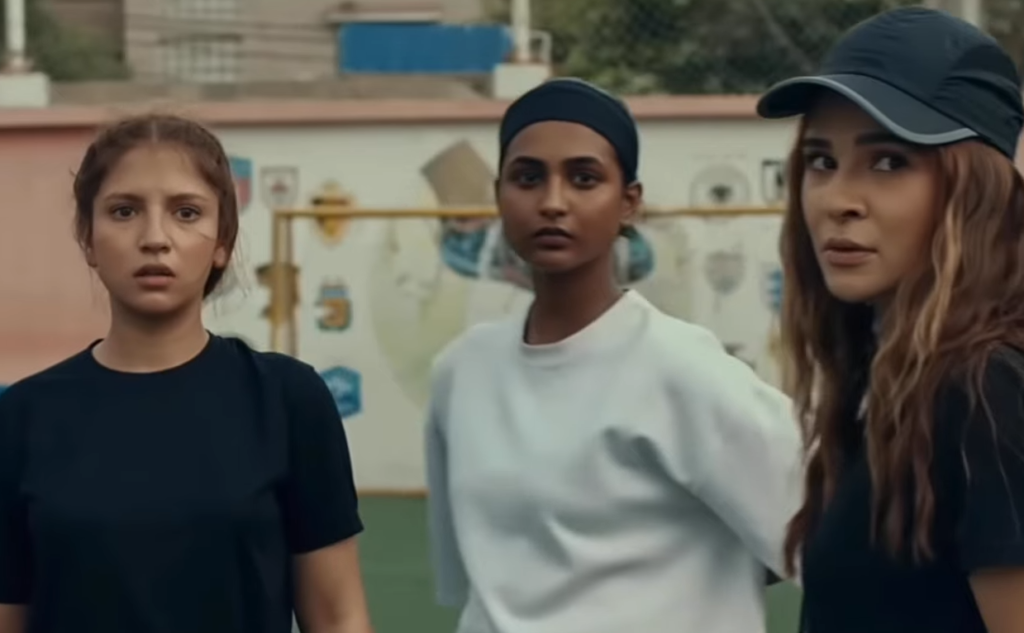
The story takes a turning point when Behnaz (Ayesha Omar), a national women’s football team coach, arrives in search of raw football talent. She discovers Afsana and is deeply impressed by her natural ability, which sets the main narrative into motion.

NARRATIVE FLOW & PACING
The first half of Mera Lyari feels quite slow, with scenes that do not always connect smoothly. Instead of focusing on the main storyline, the film spends more time exploring the characters’ personalities.
However, in the second half, the narrative gradually begins to take shape as the story starts unfolding around the characters more effectively. While it may not immediately connect with the audience, those who stay with the film despite its technical and scripting flaws will find the character arcs making more sense later on.
PERFORMANCE HIGHLIGHTS
Dananeer Mobeen delivers a sincere performance in a role that is quite different from her public image. For a big-screen debut, she handles several emotional scenes confidently and fits naturally into the atmosphere the film creates. The supporting cast including Samiya Mumtaz, Nayyer Ejaz, Masroor Paras and Adnan Shah Tipu also .

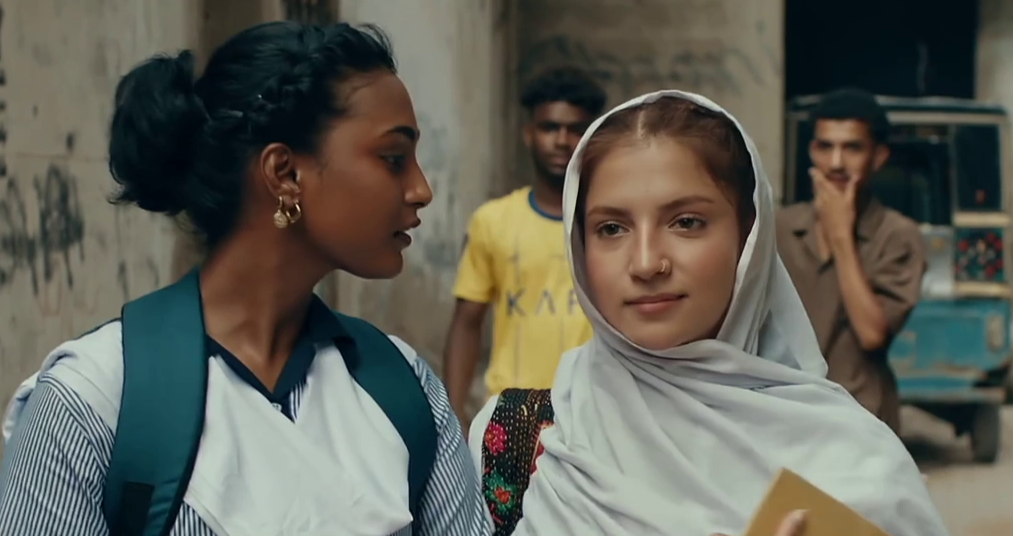
Dananeer stands out particularly in her transformation across the film. She feels completely believable as a college-going girl, convincingly athletic in football sequences, and most impactful in her emotional moments, especially her monologue with Samiya Mumtaz.


VISUAL STYLE & CINEMATIC APPROACH
One noticeable aspect of Mera Lyari is its filmmaking style, which at several points feels inspired by Iranian cinema. The film relies on a grounded treatment, slow emotional buildup, and a realistic atmosphere.
This kind of storytelling is still relatively new for mainstream Pakistani audiences, who are more used to loud commercial entertainers and fast-paced narratives. As a result, the film may not connect with everyone, but with stronger execution, tighter writing, and improved technical polish, this style has the potential to become more impactful in the future of Pakistani cinema.
WHAT WENT WRONG IN MERA LYARI?
Several factors prevent Mera Lyari from reaching its full potential.
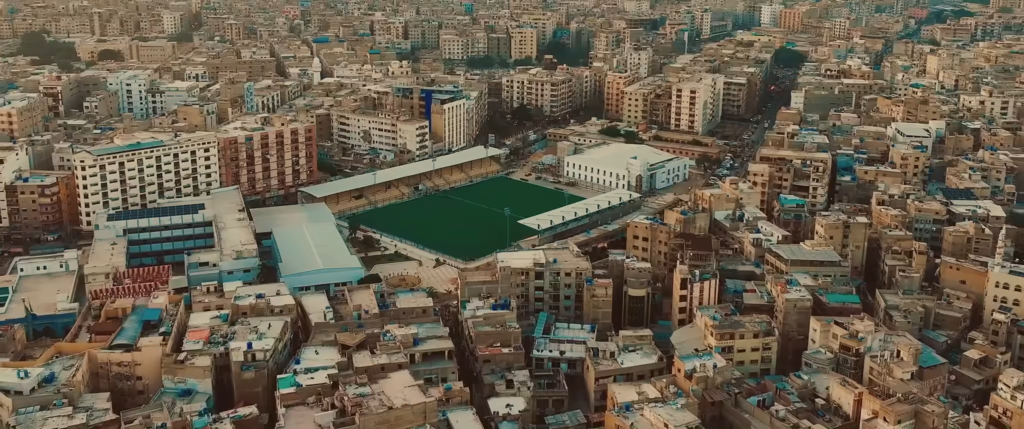
The film’s limited budget is visible throughout and restricts the overall scale. A subject like football, especially one rooted in Lyari’s strong sports culture, required larger detailing, more powerful match sequences, and a more cinematic presentation.
The football portions remain underdeveloped. Instead of building towards a proper emotionally charged match, the film mostly stays at practice and trial levels, reducing the excitement expected from a sports drama. Similarly, Afsana’s father’s emotional transition towards accepting her football journey needed deeper writing and gradual development.

Another major issue is the background score, which often feels too loud and occasionally disconnected from the emotional tone of scenes. The editing also lacks consistency, with some emotional moments ending too quickly while others are stretched unnecessarily, affecting the overall rhythm.
At its core, Mera Lyari often feels more like a grounded family drama set against a football backdrop rather than a full-fledged sports film.

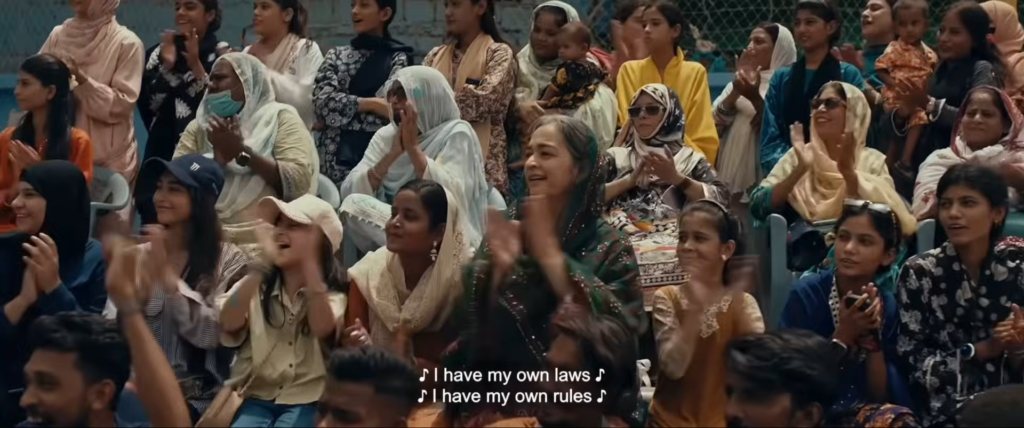
CINEMA BEYOND COMMERCIAL BOUNDARIES
After collaborating in Kukri and Taxali Gate, Abu Aleeha and Ayesha Omar come together as a creative team that attempts to push Pakistani cinema into less explored territory with Mera Lyari. While Abu Aleeha continues his signature approach of making socially grounded, low-budget, issue-based films, Ayesha Omar steps beyond her established identity in modeling and pop culture to back a sensitive subject like women’s football and Lyari’s social realities, making her one of the more daring female producers among her contemporaries.

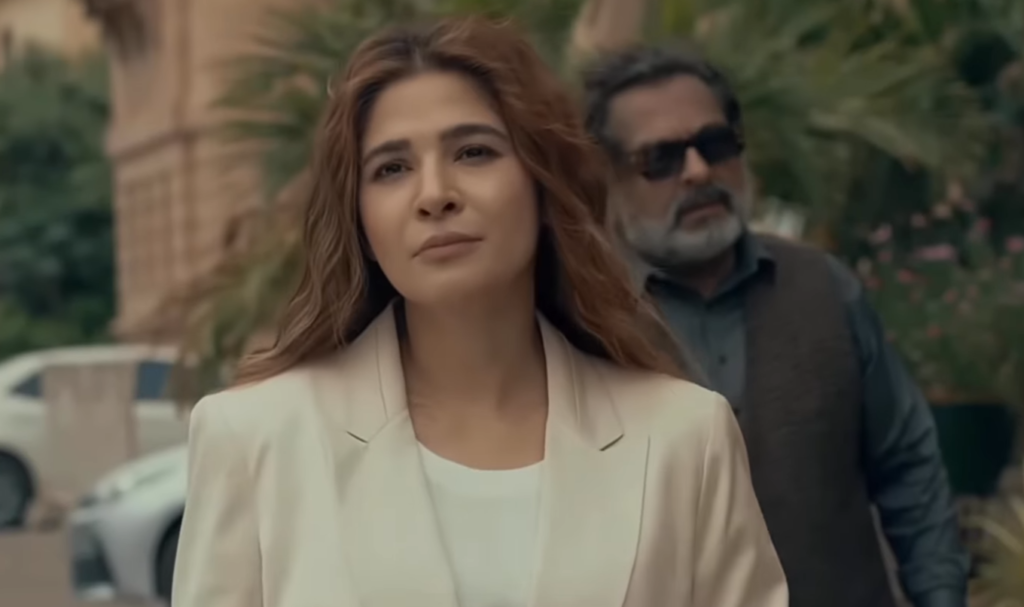
Interestingly, the makers seem relatively unbothered by the film’s release timing just two weeks before Eid amid a lockdown situation in Punjab, suggesting a clear focus beyond immediate box office performance. Instead, the strategy appears to rely more on its potential international run and recognition at film festivals, reflecting an ambition to position the film within a global cinematic conversation rather than purely commercial success.
FINAL WORDS
Mera Lyari may not fully achieve the impact it aims for, but it still stands out as a sincere attempt to tell a different kind of story within mainstream Pakistani cinema. Despite its limitations in execution, the film deserves credit for its relevant themes, grounded performances, and effort to explore a less-explored subject.