




Pakistani television has no shortage of stars or successful dramas. What it often lacks is scale, variety and the confidence to step outside familiar formulas.
Mitti De Baway arrives with the potential to challenge that.
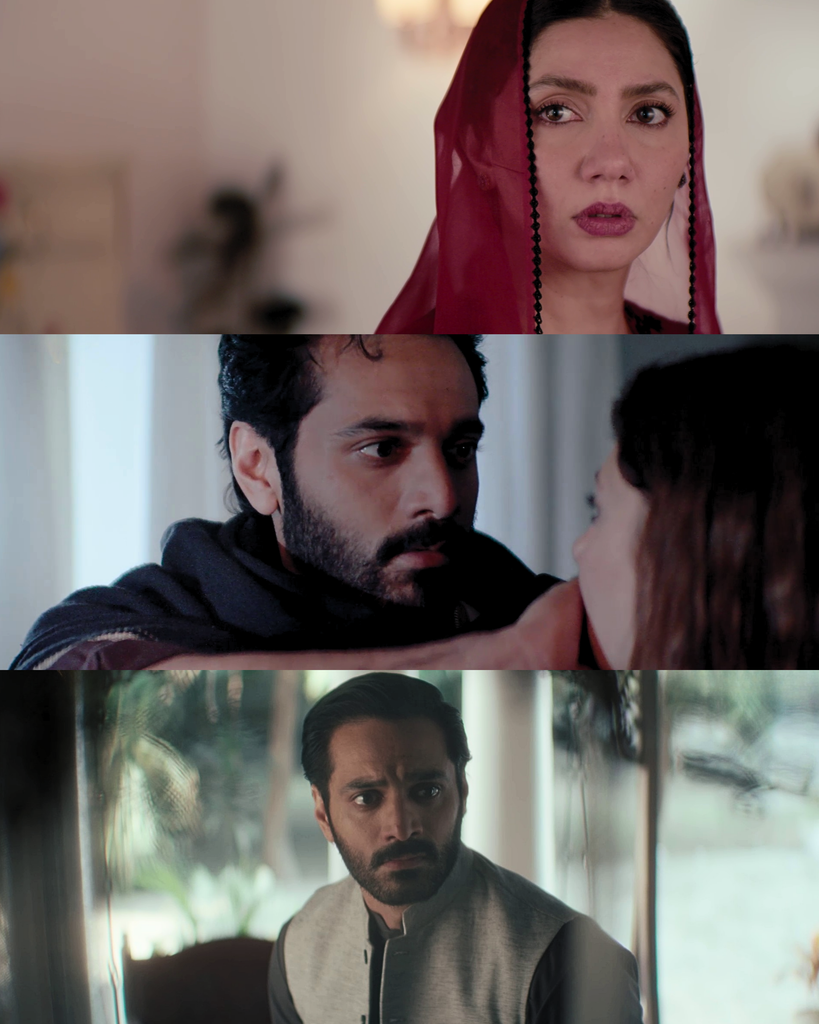
Produced by Multiverse Entertainment and set to air on Green Entertainment, the drama brings together Mahira Khan and Wahaj Ali for their first television collaboration. Written by Faiza Iftikhar and directed by Syed Wajahat Hussain, it appears to be attempting something considerably more ambitious than a conventional love story.

The biggest talking point is obviously Mahira and Wahaj sharing the screen. But reducing the project to its pairing would be missing the bigger picture.
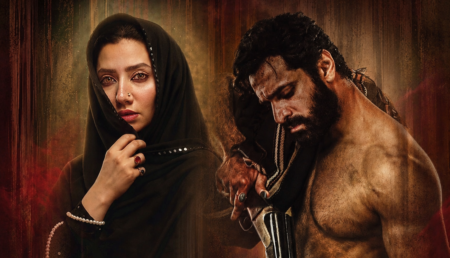
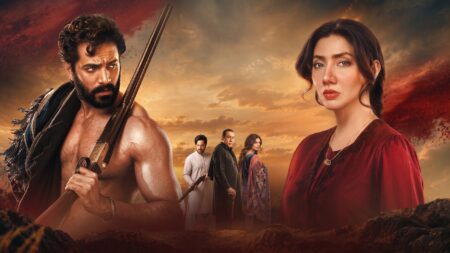
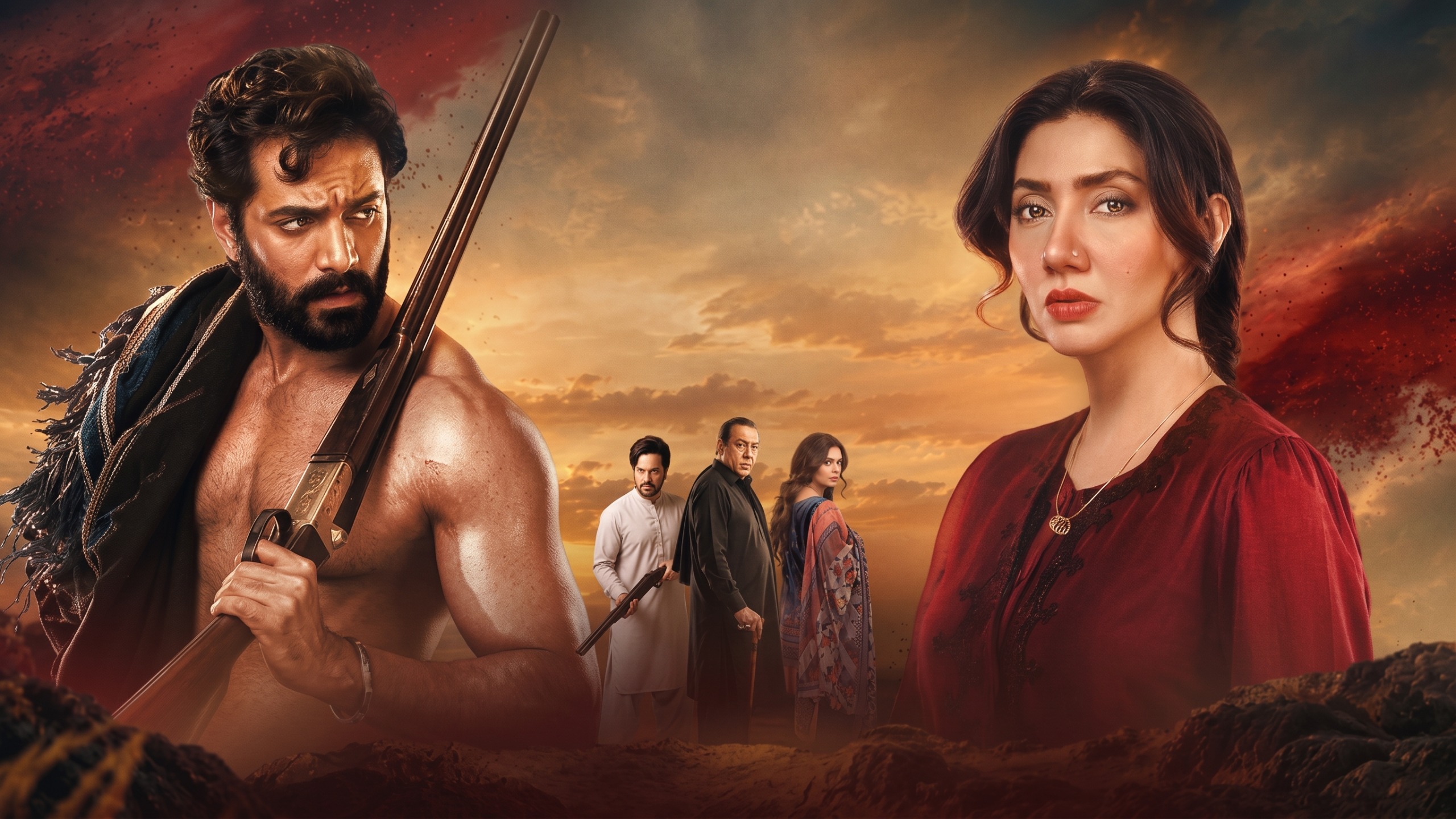
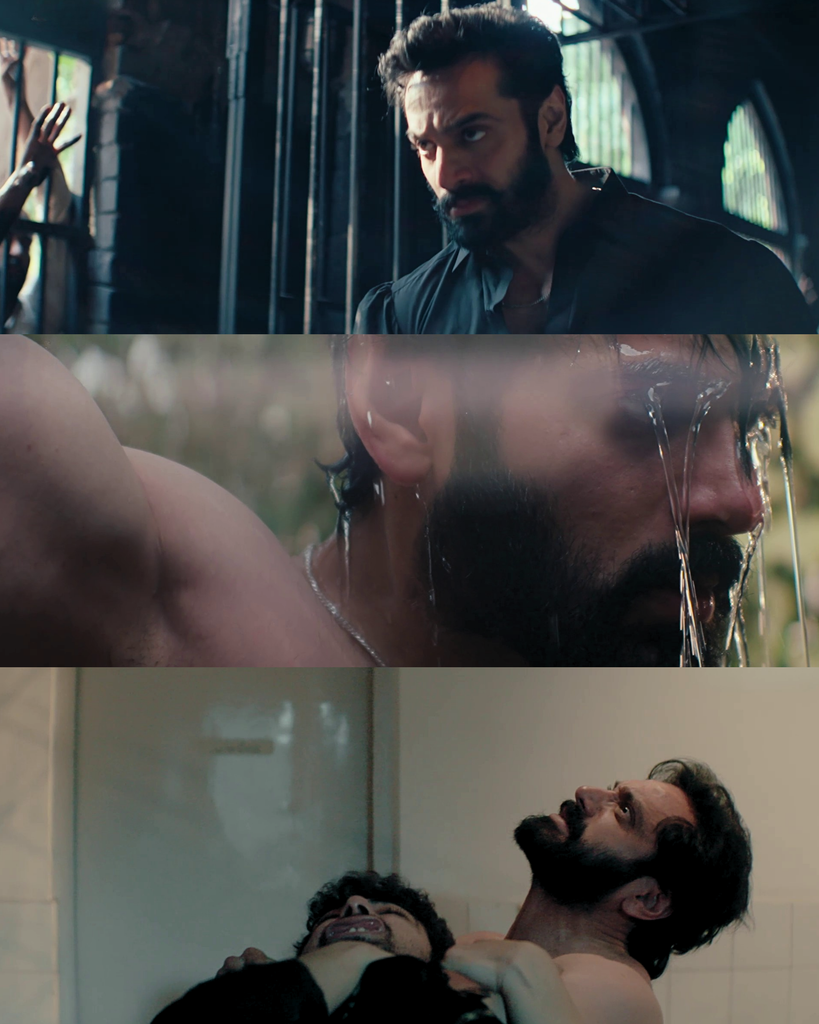
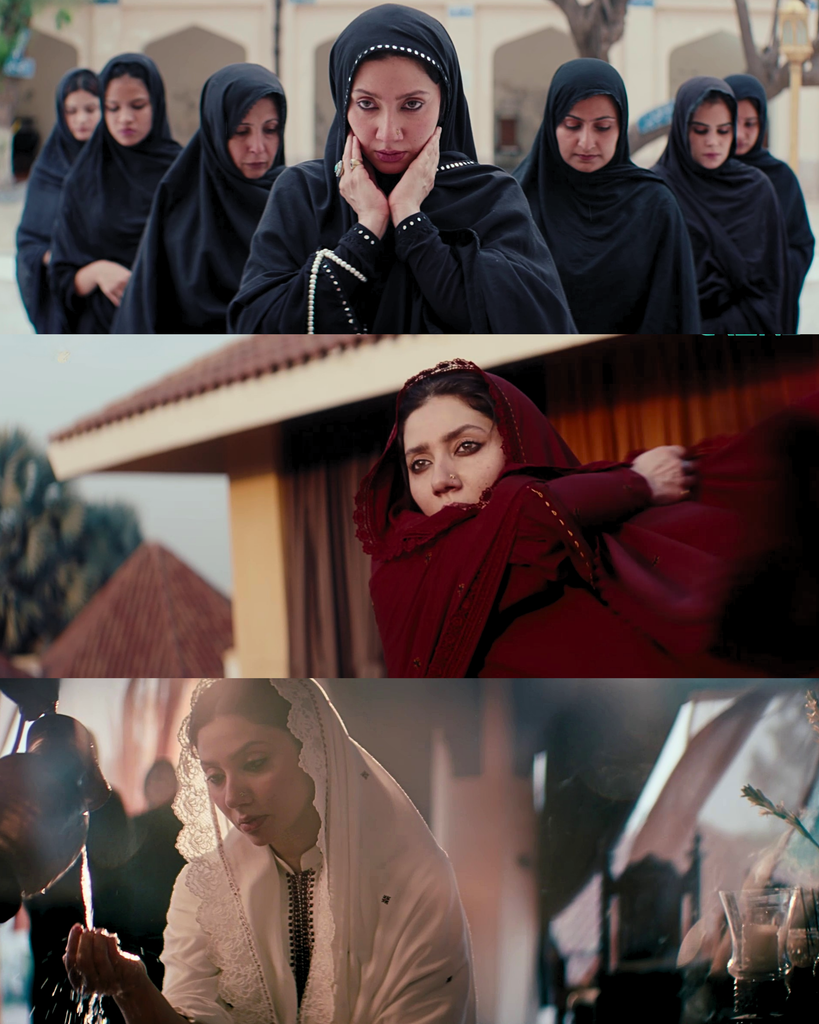
Set across 1998 and 2002, the story follows Billo, played by Mahira, and Baala, played by Wahaj. What begins as love is disrupted by Baala’s imprisonment, while Billo undergoes a dramatic transformation and eventually becomes known as Bari Sarkar.
That jump immediately gives the story a different dramatic texture. These are not simply two lovers trying to find their way back to each other. They return to each other’s lives as fundamentally changed people.
And then there is the world around them.
Mitti De Baway moves into rural Punjab, bringing together spirituality, crime, violence, power, family traditions and romance. This is a setting and combination of genres that Pakistani television doesn’t explore often at this scale.
The production itself also appears to be unusually ambitious. Reports indicate 100+ shooting days across Lahore and nearby Punjab locations, while the production design, costumes and cinematography suggest a deliberate attempt to build a larger cinematic world.
But scale alone doesn’t make a great drama.
This is where Faiza Iftikhar’s writing becomes crucial. A story involving romance, crime, spirituality and power can easily become style over substance. The real challenge will be giving these characters enough emotional depth to justify the world being built around them.
For Wahaj Ali, Baala also offers a departure from the familiar romantic-lead template. His character carries the weight of imprisonment, violence and a complicated past, while Mahira’s Billo appears to undergo one of the more significant transformations of the story.
This is also arriving at an interesting time for Pakistani television. Audiences now consume Turkish, Korean, Indian and international content alongside local dramas. Production values and storytelling expectations are changing, particularly among younger viewers.
That means Pakistani television cannot rely indefinitely on the same stories simply dressed up with bigger stars.
It needs new worlds, stronger genres and more ambitious storytelling.
Mitti De Baway may not necessarily reinvent Pakistani television. That judgment will depend on the actual writing, pacing and performances once the drama unfolds.
But it is attempting something the industry needs more of.
Not just bigger stars. Bigger stories. Bigger worlds. And the ambition to make Pakistani television feel bigger than a conventional drama.
Not just bigger stars. Bigger stories. Bigger worlds. And the ambition to make Pakistani television feel bigger than a conventional drama.